


On September 16, 2026, the Romanian Hub for Artificial Intelligence (HRIA) experienced one of its most dynamic and intellectually engaging days of the year. The hub welcomed a delegation of experts from the European Commission, accompanied by representatives from the Intermediate Body for Research and the Managing Authority for the Growth, Digitization and Financial Instruments Programme 2021–2027. The visit marked an important milestone in acknowledging the progress achieved during the first phase of the HRIA project and in strengthening dialogue with European institutional partners.
Strategic Overview Presented by HRIA Leadership
The day began with a comprehensive presentation delivered by Prof. univ. dr. ing. Adina Magda Florea, Director of the HRIA project. Her intervention outlined the hub’s vision, strategic objectives, and the results obtained so far across its main research projects. Prof. Florea offered a detailed overview of each project’s development stages, emphasizing both the implementation pathways and the mechanisms through which research outputs will be transferred to the economic environment.
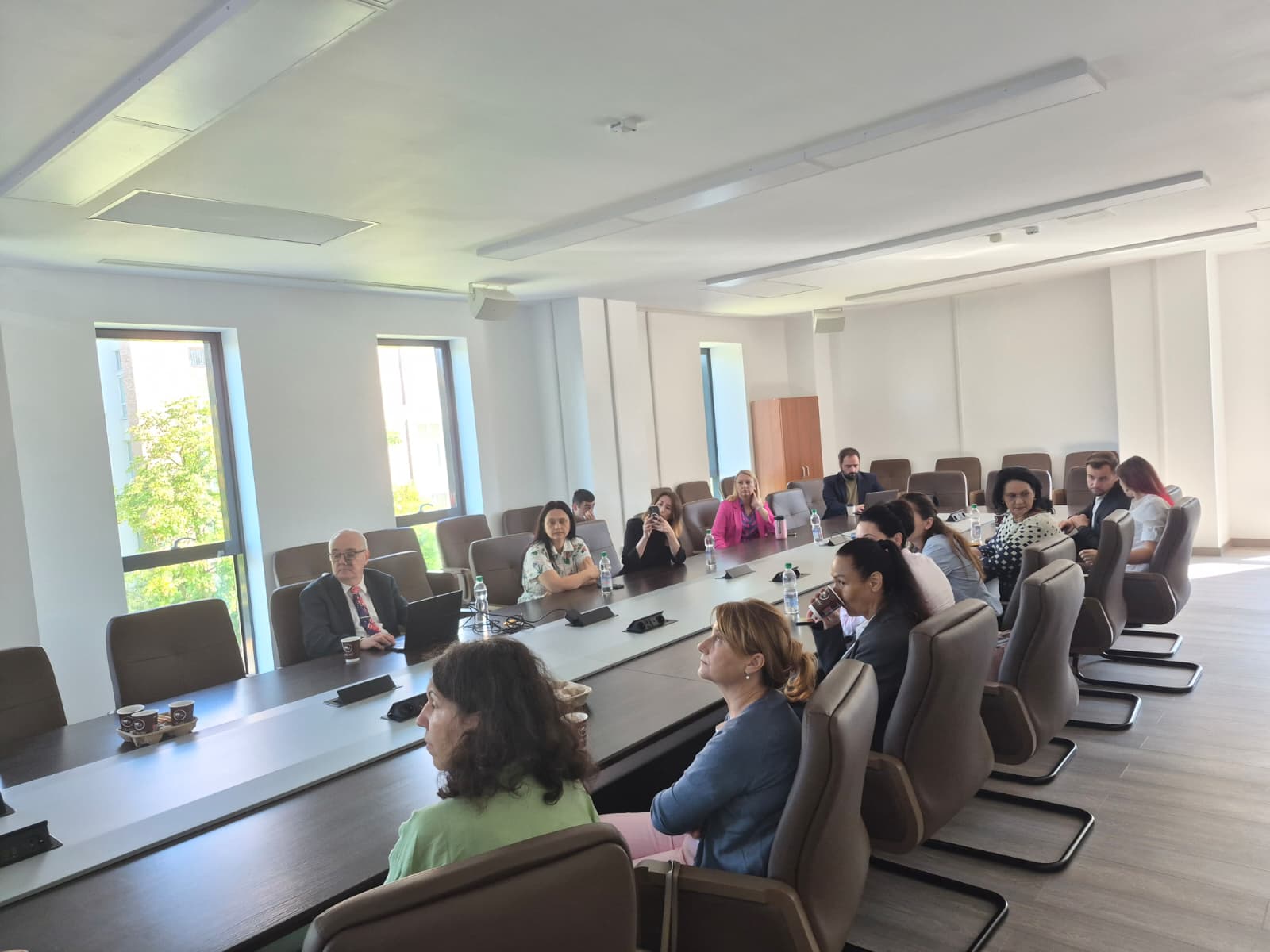
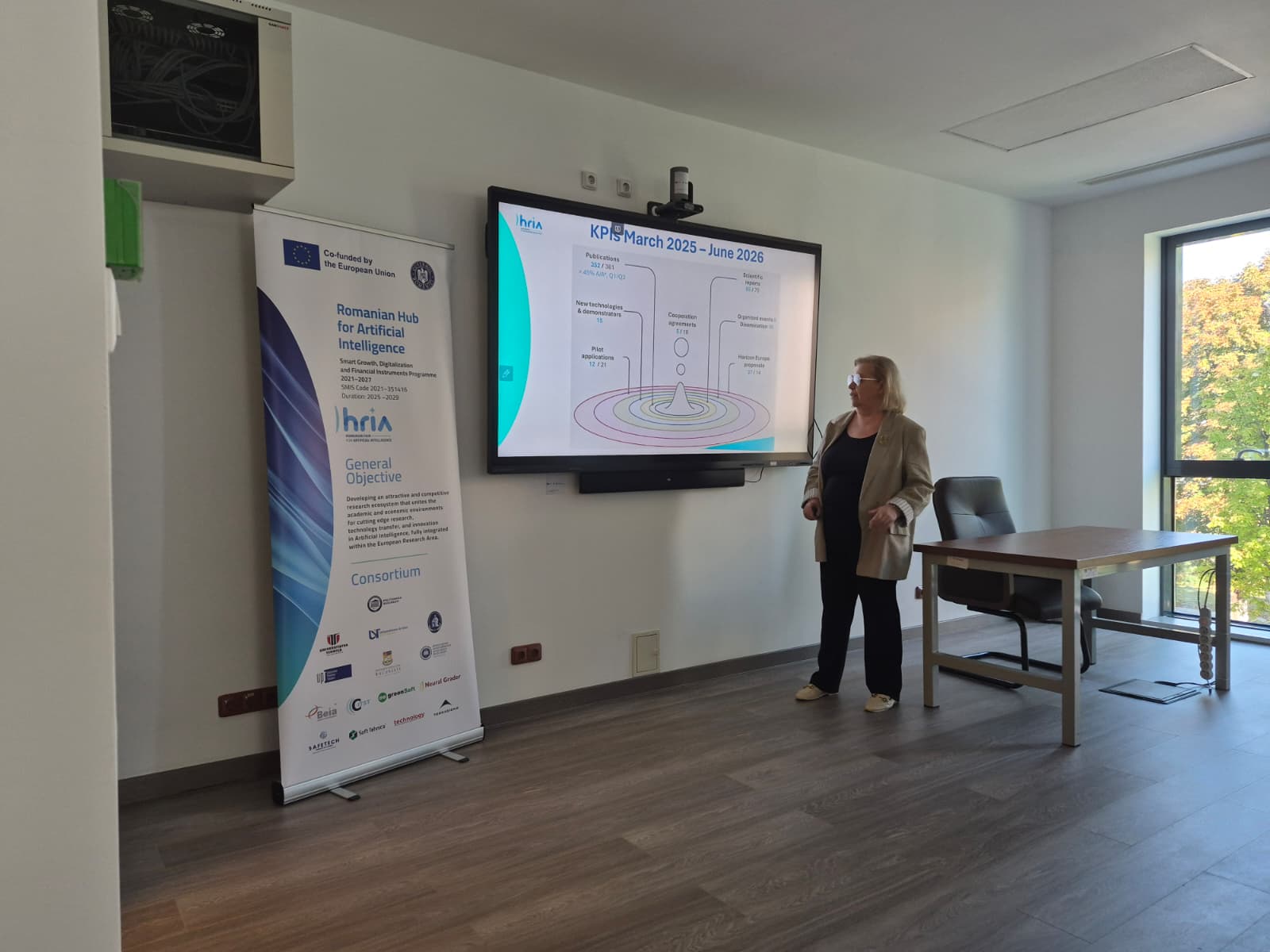
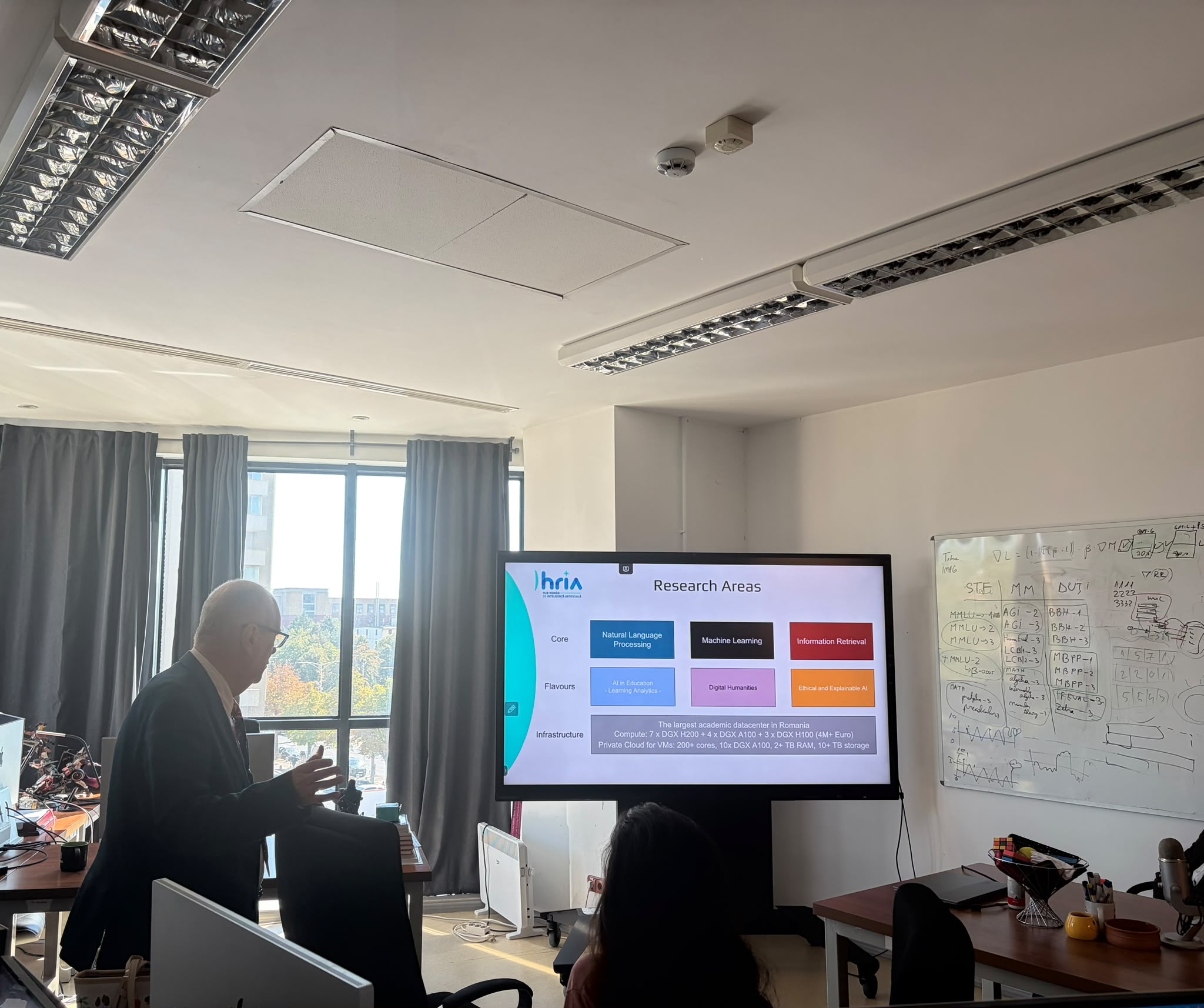
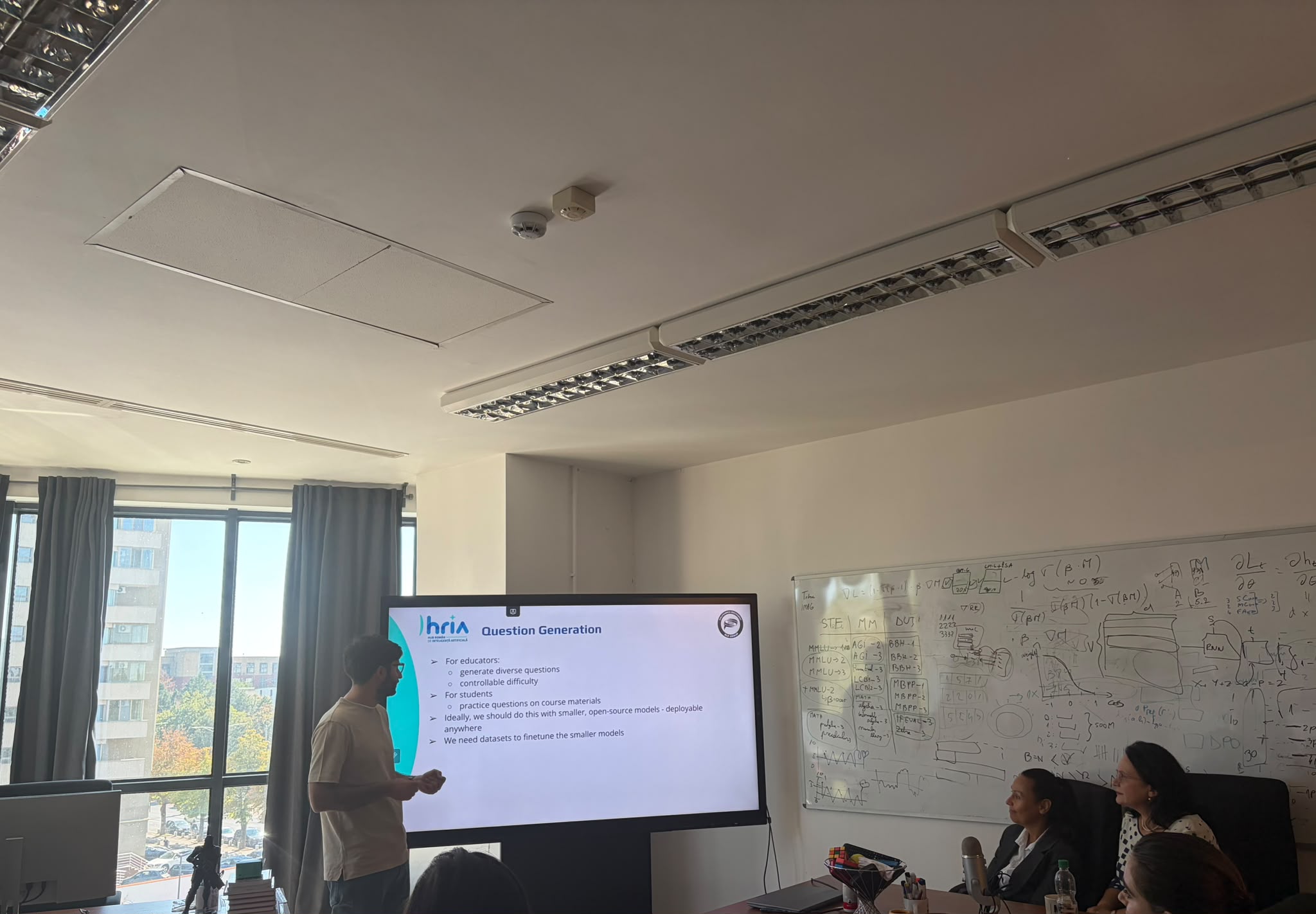
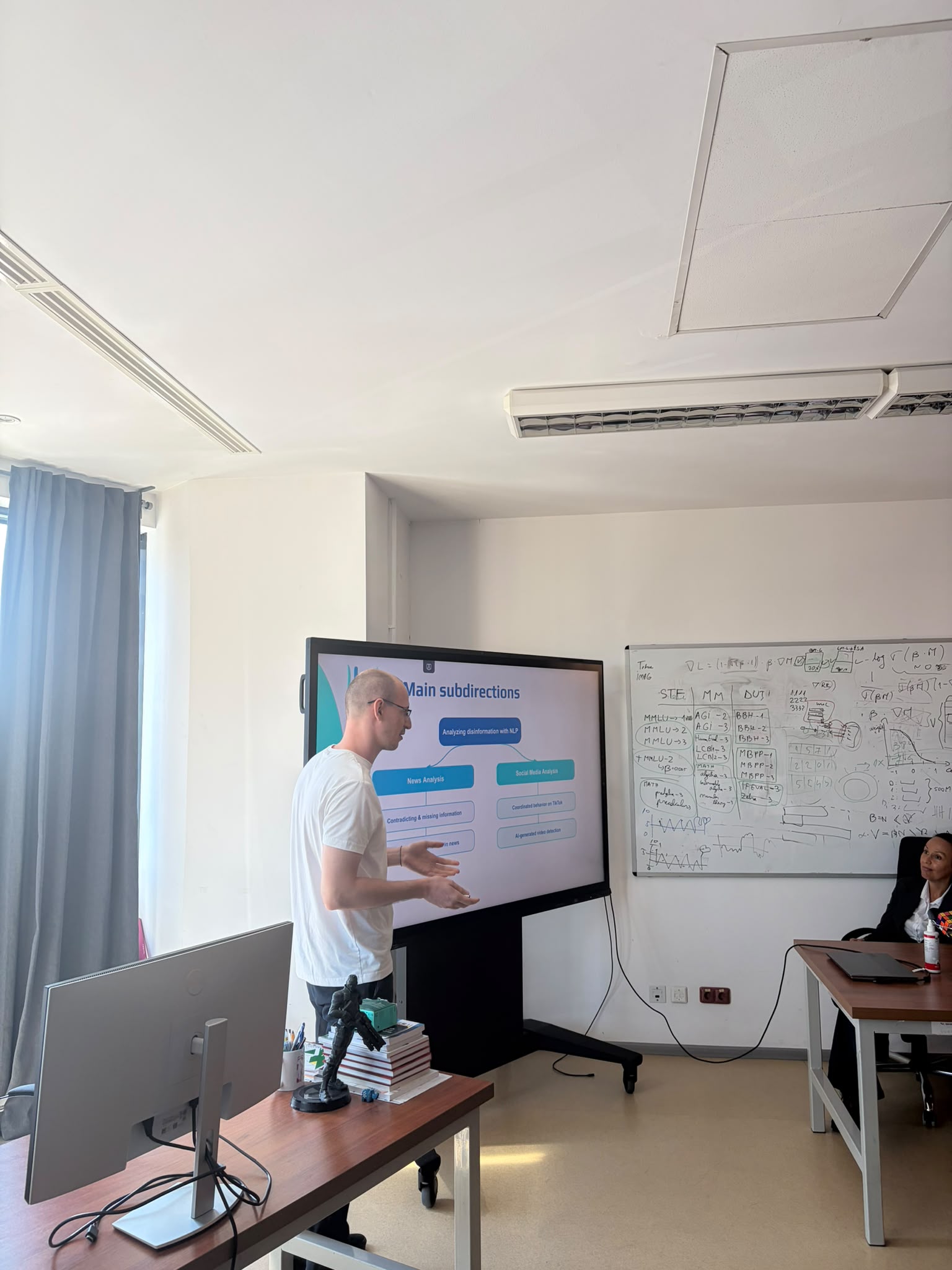
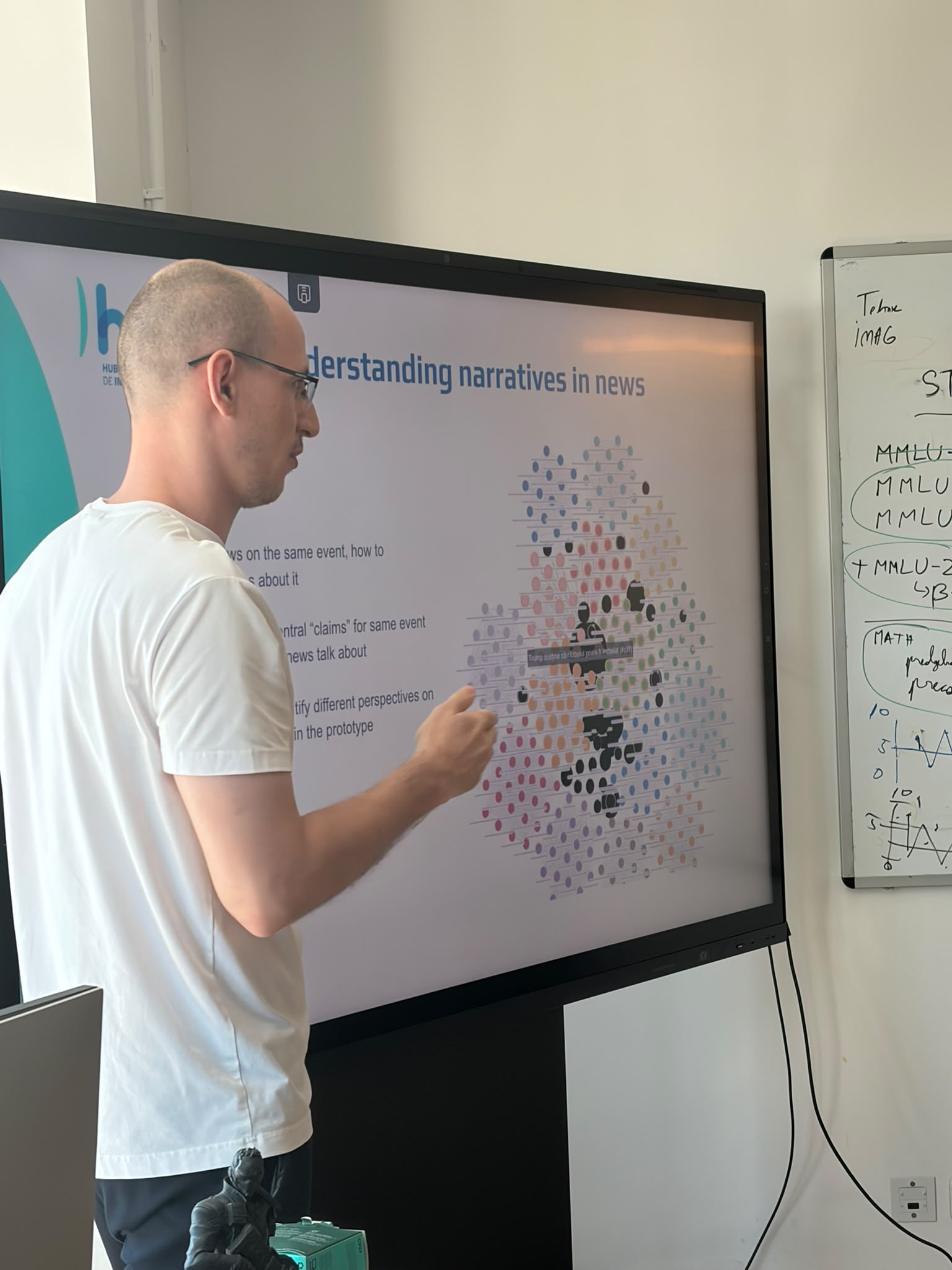
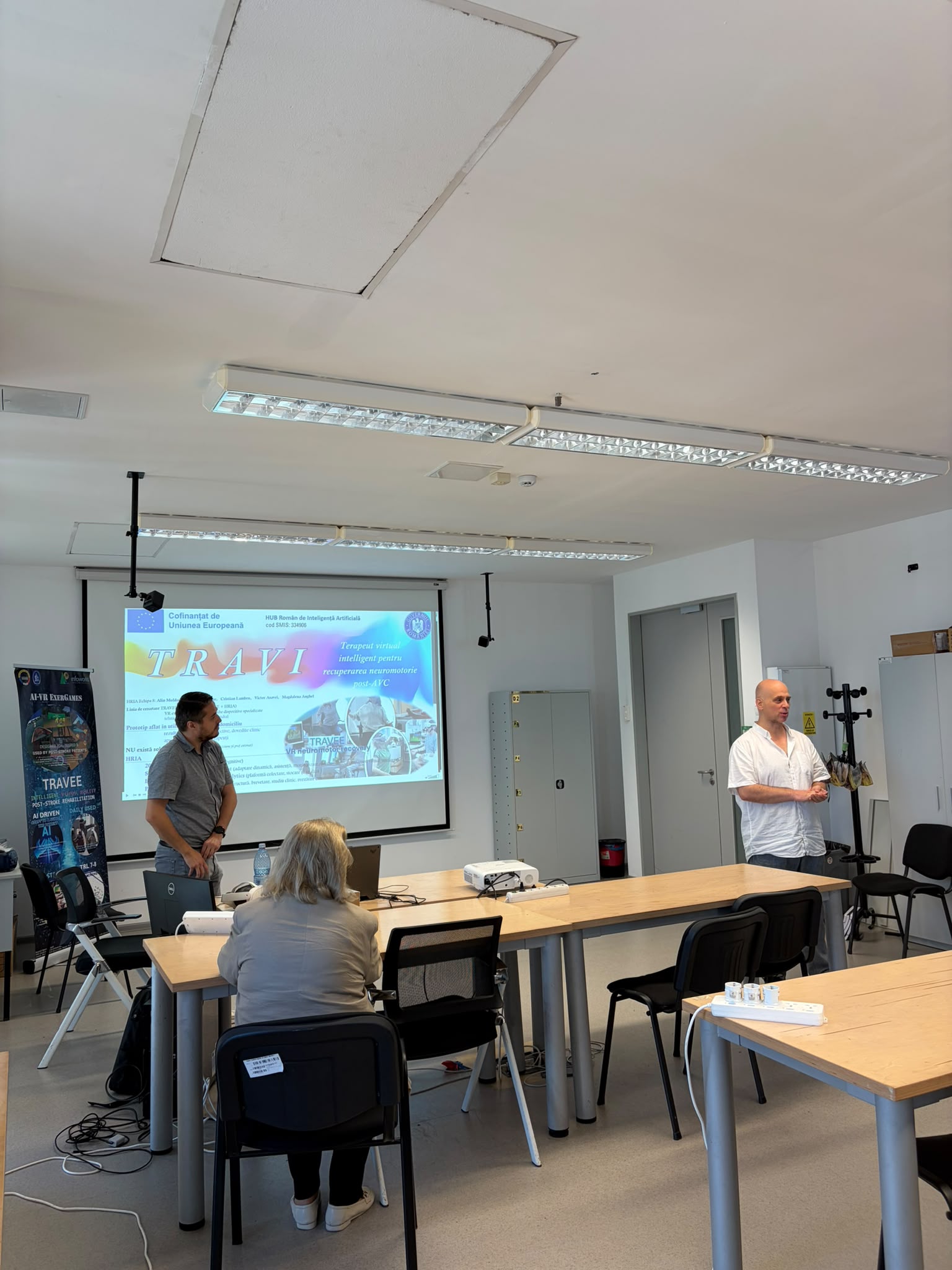
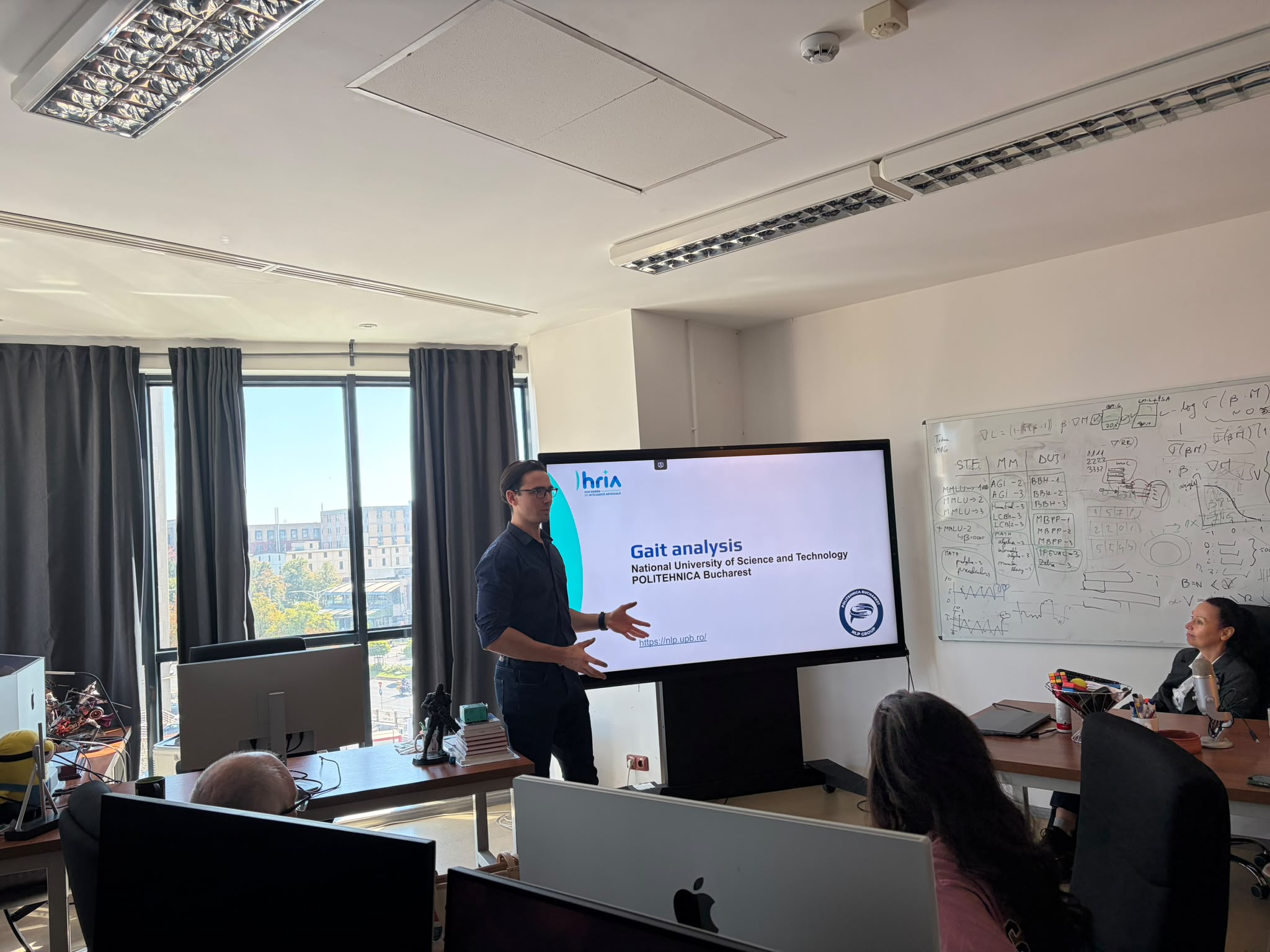
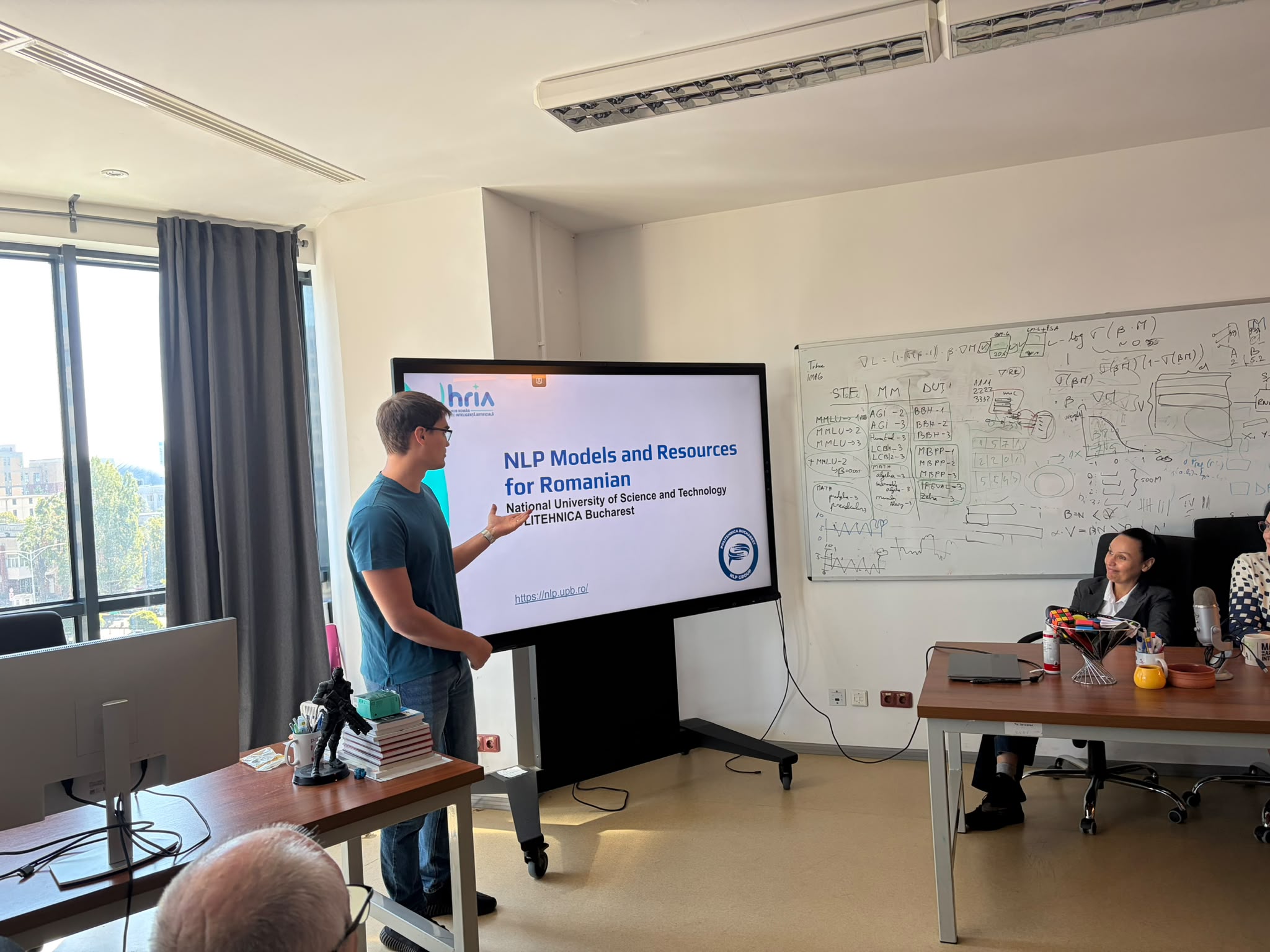
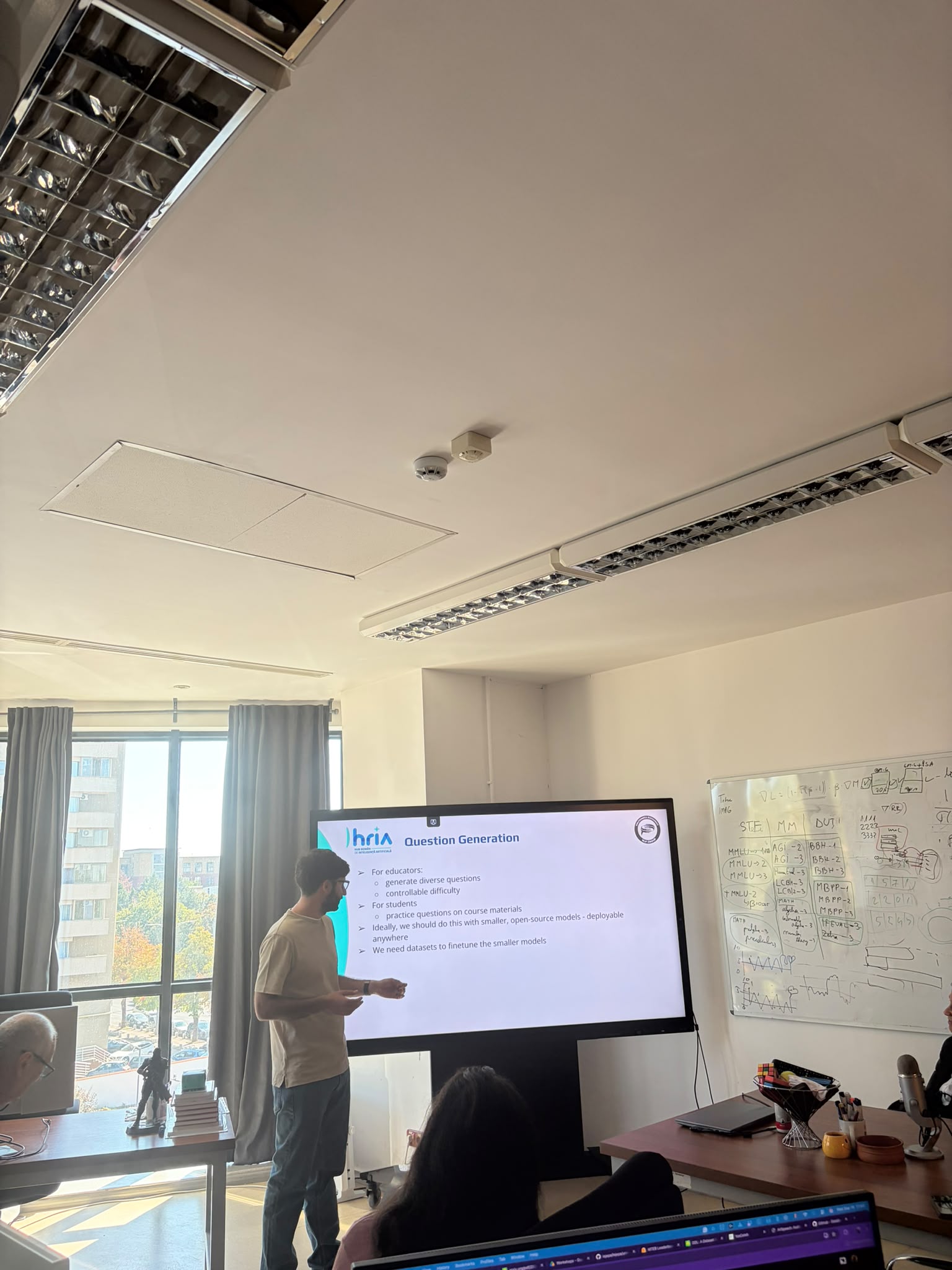
A central principle highlighted throughout the session was HRIA’s pragmatic orientation: every project is designed to address a clearly defined market need, ensuring that scientific results evolve into technologies with real-world impact.
The presentation also covered several key topics of interest to the delegation:
- HRIA’s main research directions and laboratories
- Key Performance Indicators (KPIs)
- Technology transfer strategies and the role of partner companies in bringing research results to market
The session was interactive, with representatives of the participating institutions posing questions about project status, applicability, and potential extensions. This dynamic exchange demonstrated a shared commitment to transforming scientific research into solutions that benefit society — from medicine and environmental monitoring to urban systems and digital ecosystems.
Laboratory Visits and Demonstrations of AI Applications
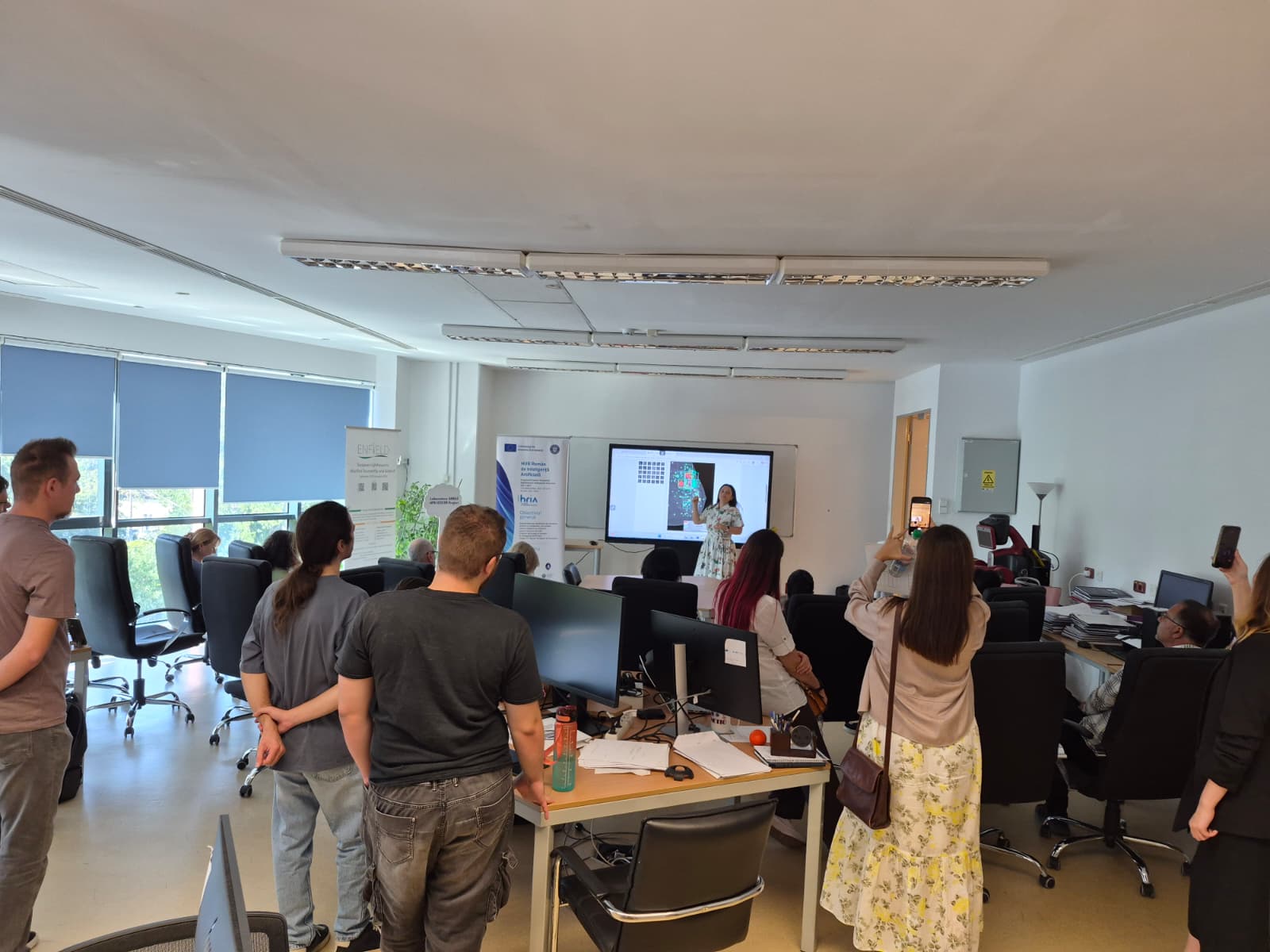
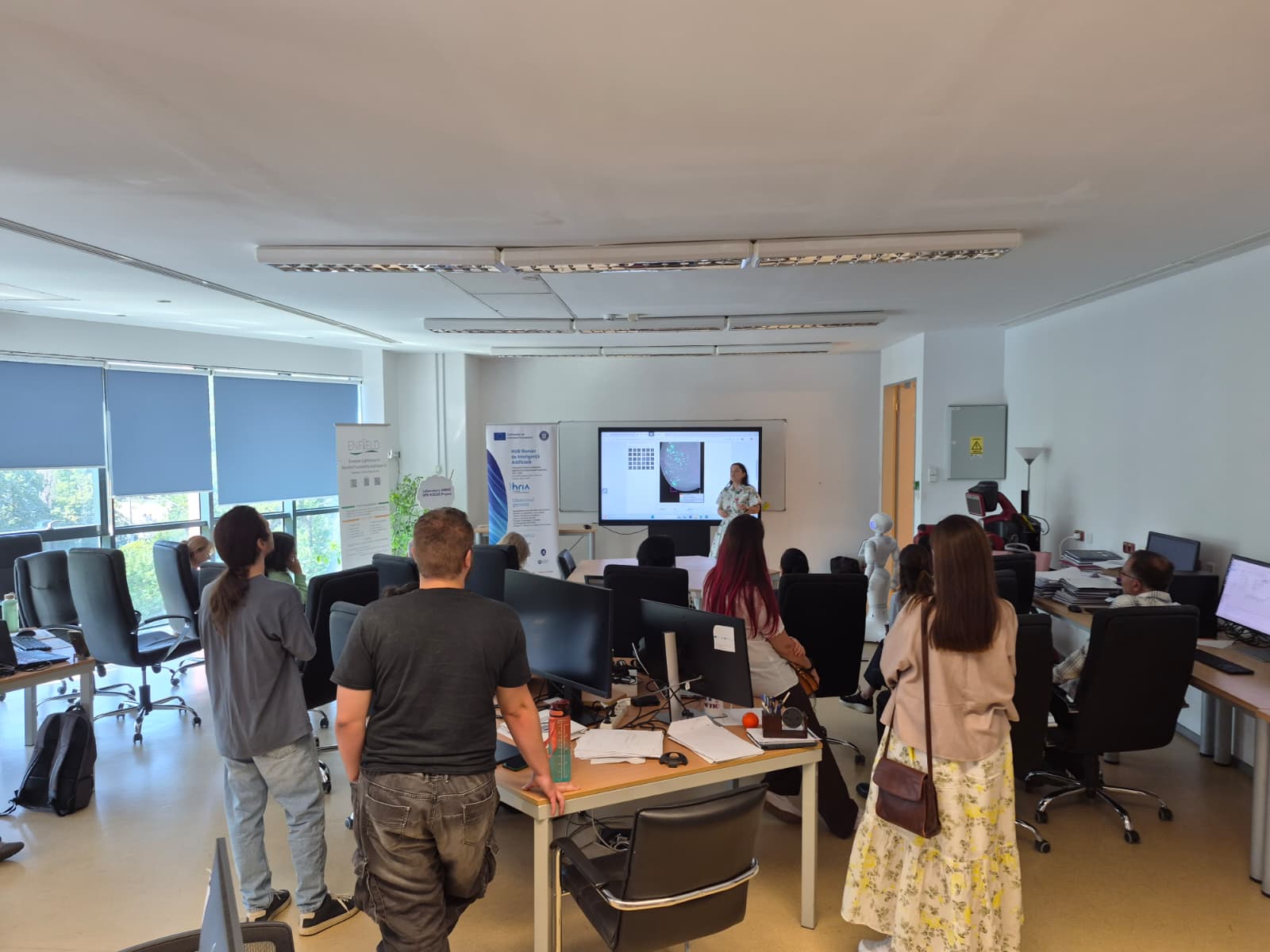
Following the introductory session, the delegation visited three HRIA laboratories, each offering demonstrations of AI applications with direct societal and economic relevance.
Laboratory 1
Demonstrations were delivered by:
- Prof. dr. Irina Mocanu
- Alexandru Sorici – Associate Professor
- Teodor Poncu – Research Assistant / Doctoral Student
- Andrei Dugaeșescu – Research Assistant / Doctoral Student
- Mihai Nan – Lecturer
The team showcased intelligent systems and applied AI methodologies developed within HRIA, highlighting their potential for deployment in real-world environments.
Laboratories 2 and 3
In the following two laboratories, the projects were presented and explained by:
- Prof. dr. Ștefan Trăușan-Matu
- Ștefan Rușeți – Associate Professor
- Denis Iorga – Lecturer
- Mihai Mașala – Research Assistant / Doctoral Student
- Emilian Rădoi – Associate Professor
- Prof. dr. Alin Moldoveanu, together with Cristian Lambru – Associate Professor
These demonstrations covered a wide range of applications, from AI systems for medical support and environmental monitoring to digital heritage preservation.
The audience was genuinely impressed by the clarity of the ideas presented and by the pragmatic, realistic ways in which HRIA’s research can contribute to real-world domains. The dialogue was vibrant, marked by thoughtful questions, proposed solutions, and discussions about future applications and potential extensions worth exploring.
A Shared Commitment to Responsible and Impactful AI
Throughout the visit, a common theme emerged: the importance of bringing scientific results into everyday life — into healthcare, into the urban and spatial environments in which we live and work, and into the digital ecosystems that shape our professional activities.
The discussions and demonstrations reflected HRIA’s commitment to developing responsible, transparent, and energy-efficient AI technologies, while also strengthening collaboration across Romania’s academic and industrial landscape.