


During the period 22–25 September 2025, at the crossroads of scientific computing and environmental innovation, the Romanian Hub for Artificial Intelligence (HRIA) hosted the thematic workshop WSAI – Remote Sensing, Computer Vision, and AI for a Sustainable Future during the 2025 edition of the international symposium SYNASC – Symbolic and Numeric Algorithms for Scientific Computing.
The workshop brought together researchers, practitioners, and industry experts to explore how artificial intelligence, smart systems, and advanced computational methods can be applied to remote sensing and computer vision for sustainability-driven solutions. Key focus areas included:
- Environmental monitoring and sustainable resource management
- Large-scale modeling and decision support systems
- Explainable AI and energy-efficient edge computing
Application domains:
- Remote sensing for agriculture, forestry, and biodiversity
- Signal and time-series analysis for ecological phenomena
- Generative and self-supervised learning to overcome data limitations
- AI applications in climate modeling, disaster detection, and sustainable urban mobility
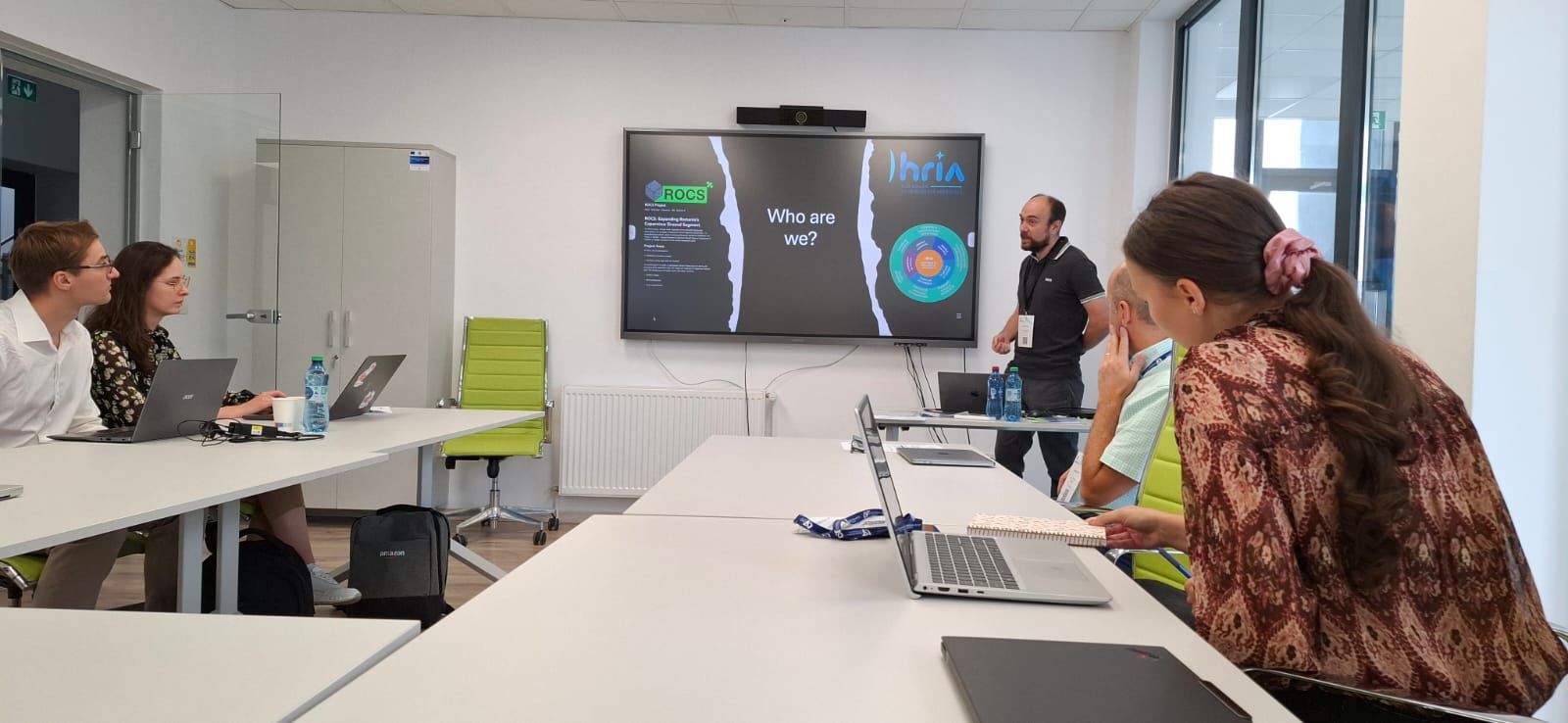
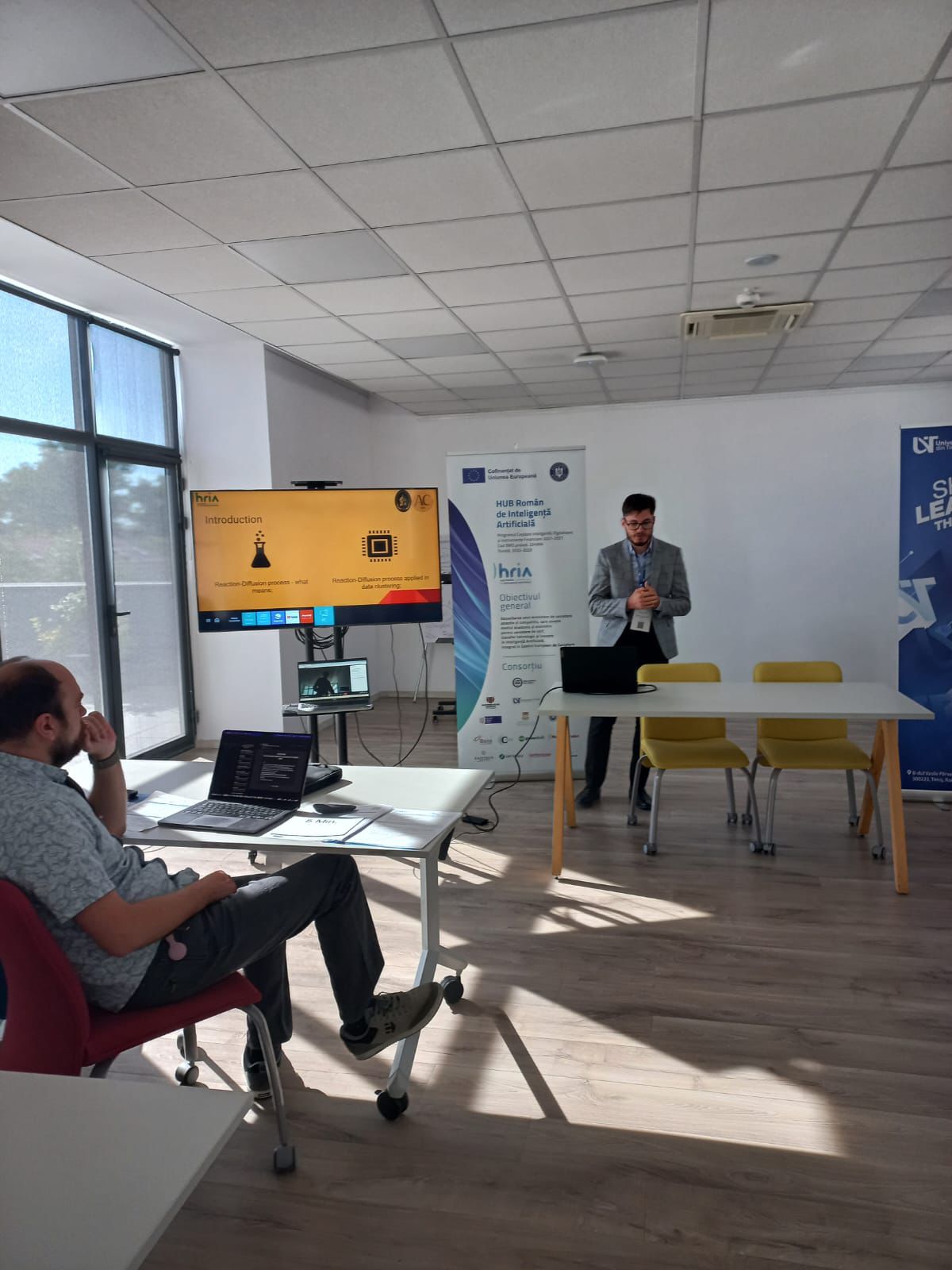
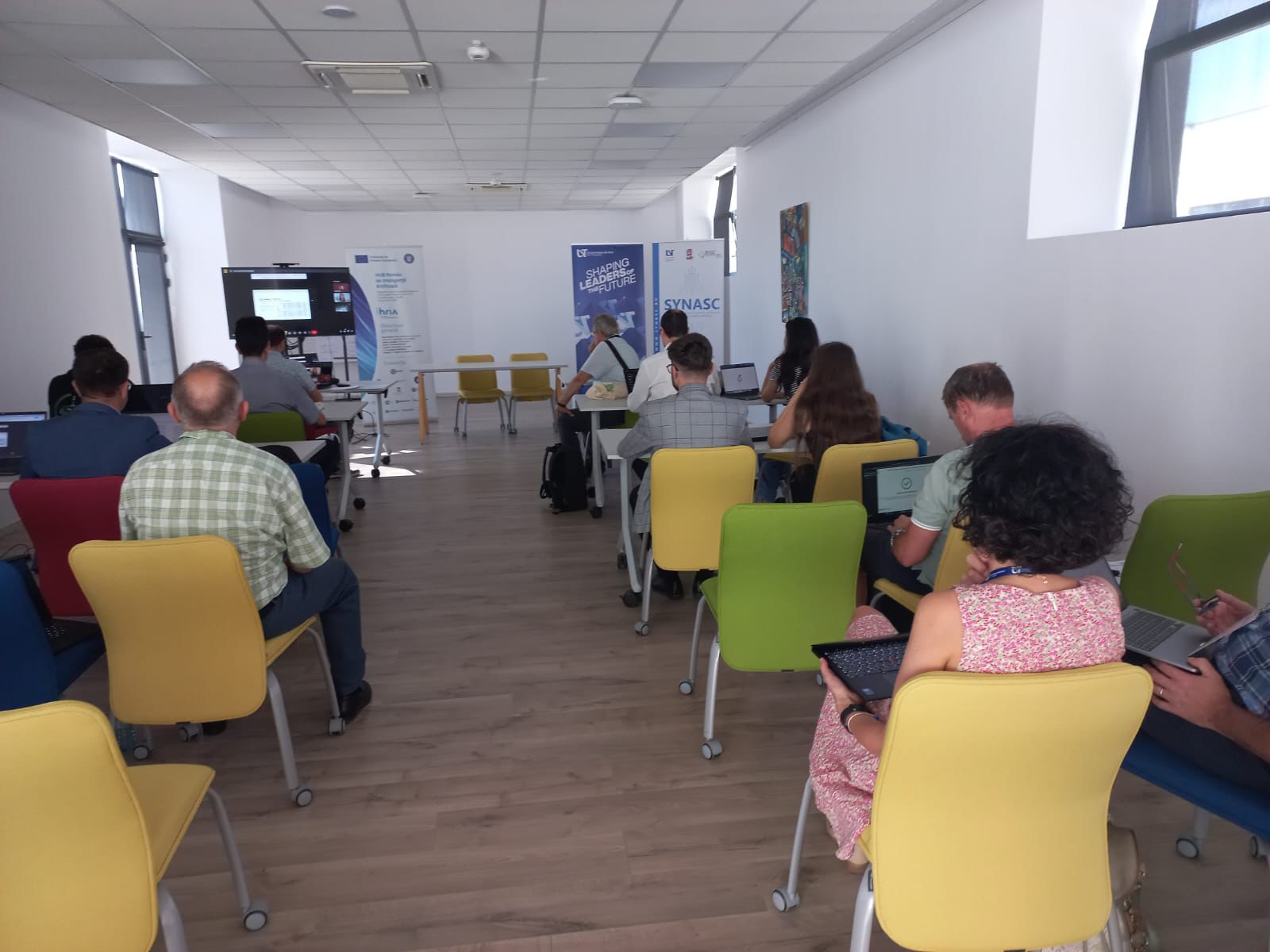
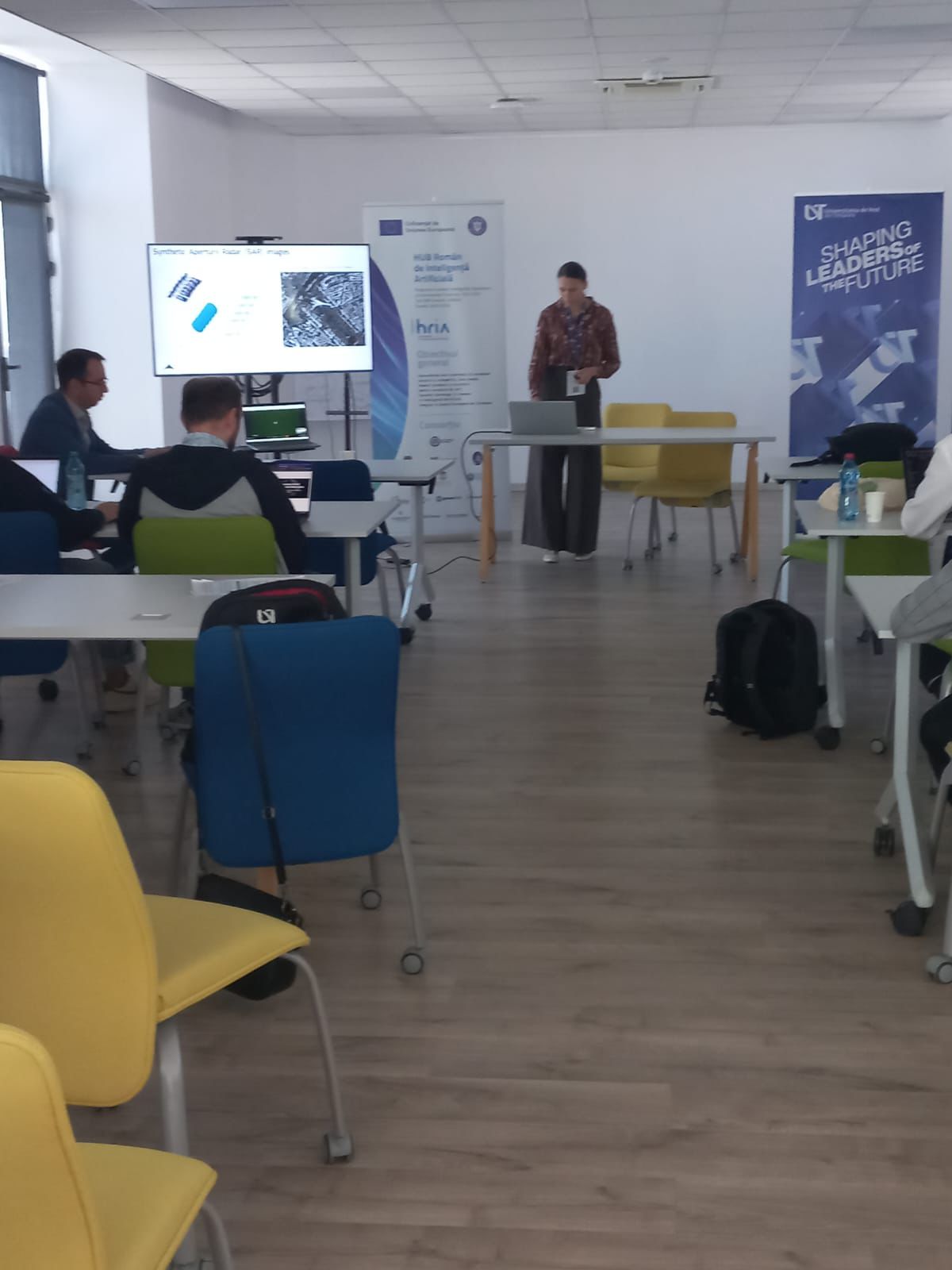
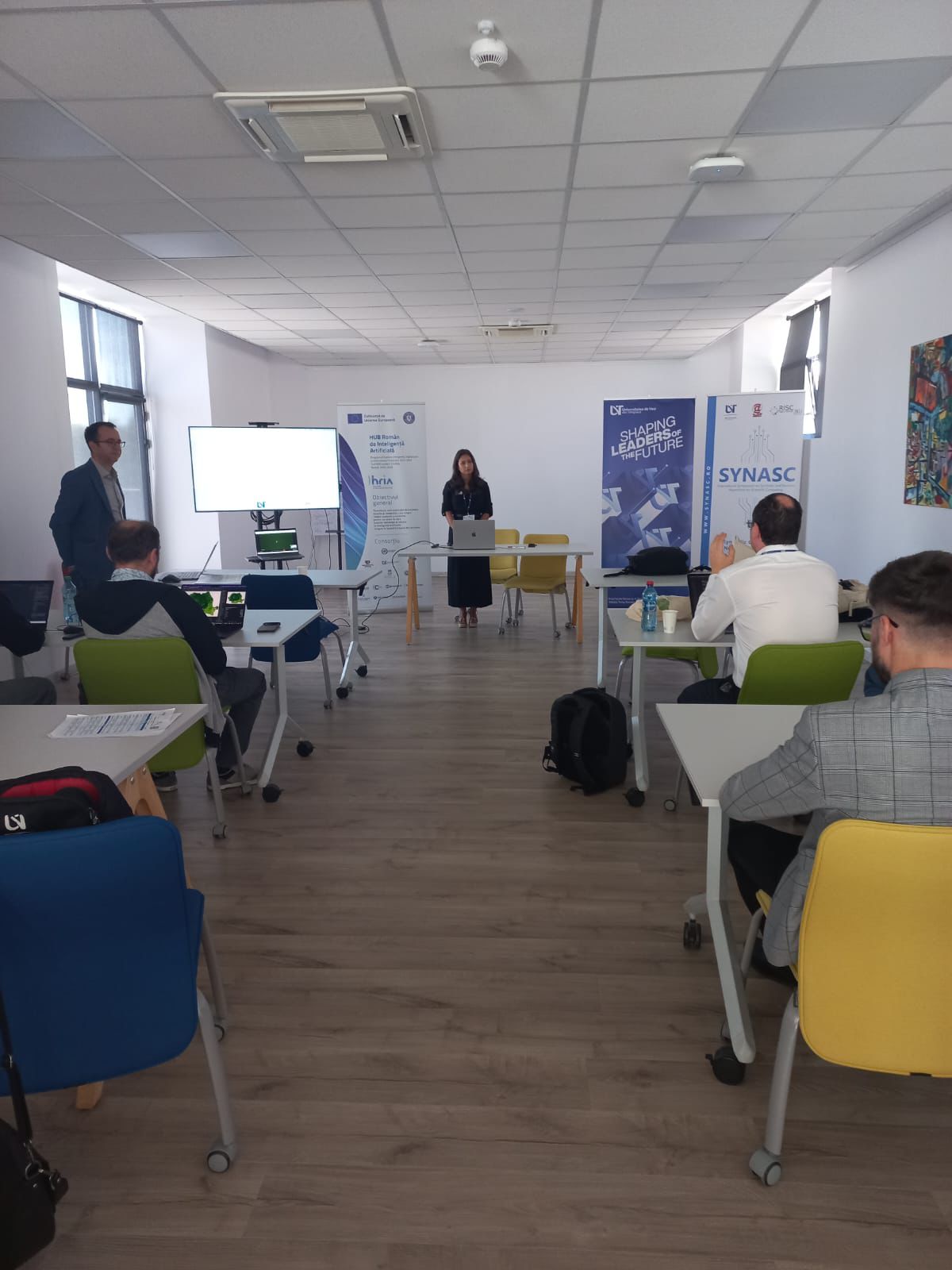
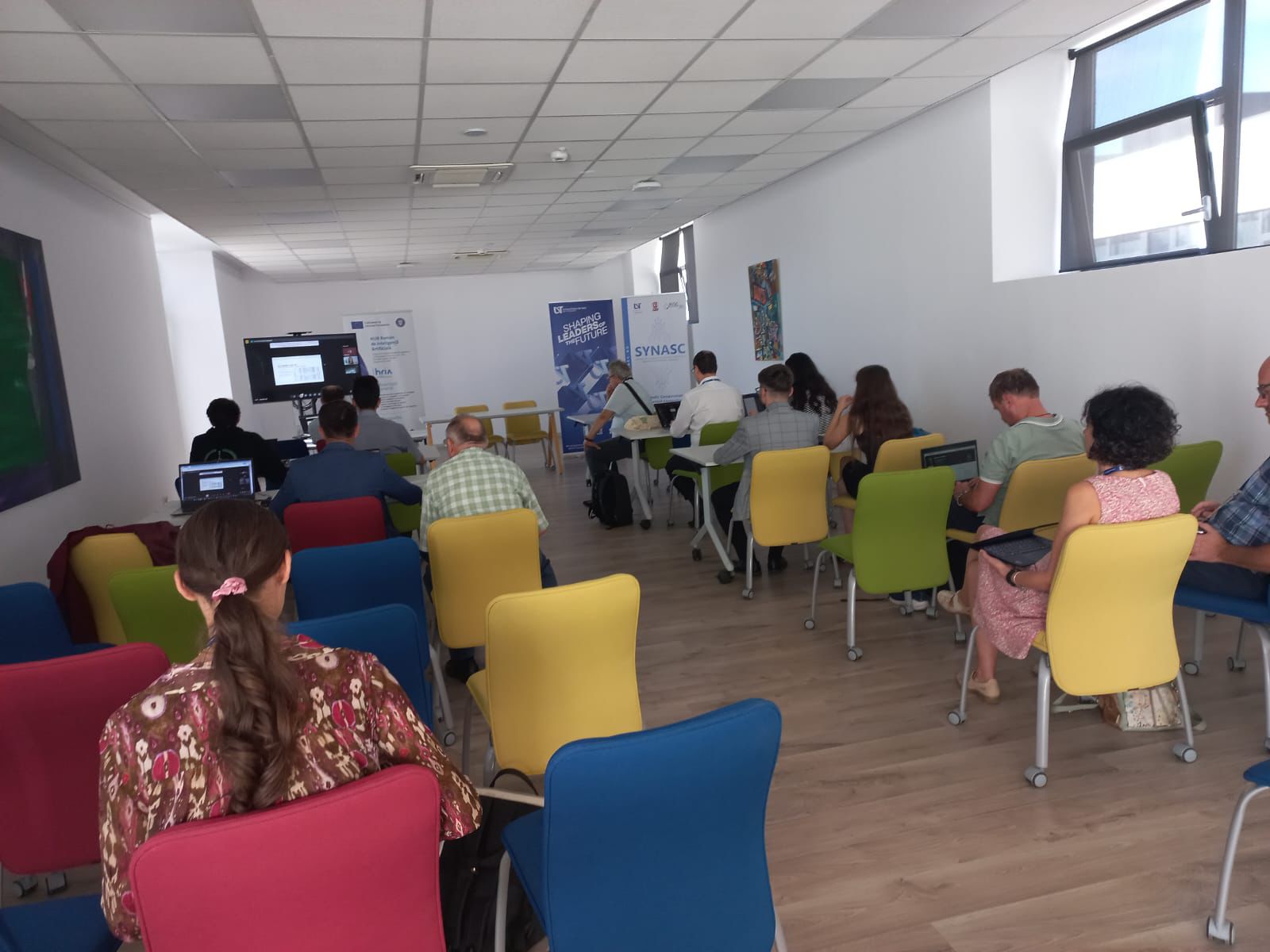
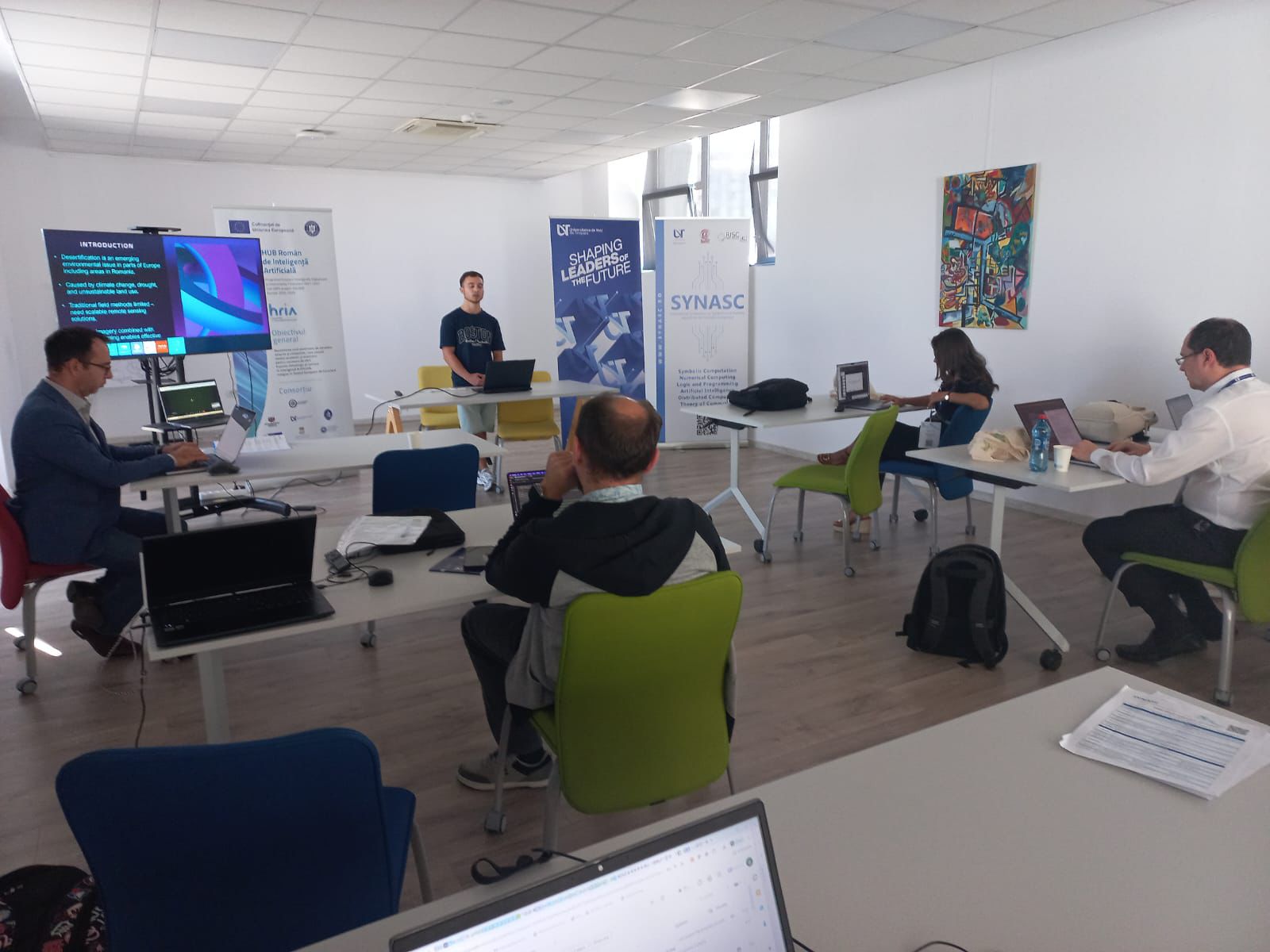
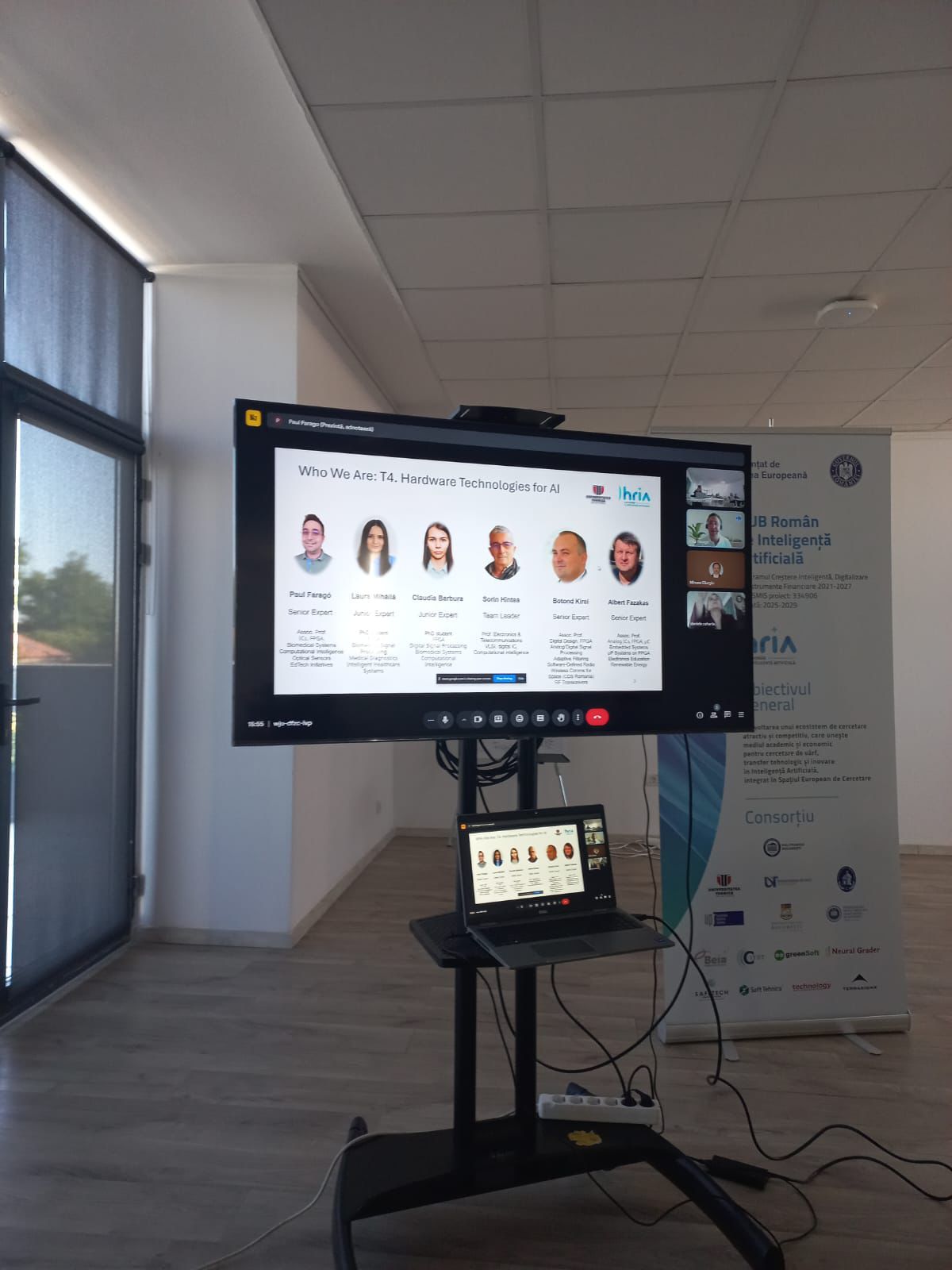
The workshop provided a dynamic platform for showcasing AI solutions in critical fields such as precision agriculture, biodiversity monitoring, and climate forecasting. Participants explored methods for integrating satellite imagery, drone data, and sensor networks with machine learning algorithms capable of generating robust predictive models—even under limited data conditions.
Special emphasis was placed on developing explainable and energy-efficient systems that operate in real time on edge devices, with direct applications in disaster detection, air quality assessment, and sustainable mobility. By fostering collaboration across disciplines, the workshop helped strengthen a community committed to building responsible, transparent AI technologies with tangible social and ecological impact.
WSAI also aimed to bridge the gap between data-driven innovation and practical implementation in areas such as environmental forecasting, risk management, and evidence-based public policy.
By connecting academic insight with real-world challenges, WSAI reaffirmed the transformative power of AI in shaping a more sustainable and resilient future.