


On July 22, 2026, participants in the Official Internship Programme of the Government of Romania took part in a visit hosted at the PRECIS Centre of the National University of Science and Technology POLITEHNICA Bucharest, within the framework of the HRIA project – the Romanian HUB for Artificial Intelligence.
The visit offered them the opportunity to explore how artificial intelligence is integrated into contemporary processes of research, innovation, and technological transfer. Through direct interaction with HRIA’s infrastructure and projects, the interns observed the concrete applicability of emerging technologies in fields such as healthcare, cybersecurity, intelligent mobility, industry, and public administration, while also noting Romania’s growing capacity to develop relevant competencies within the European AI ecosystem.
During the meeting, Ms. Alina Roxana Gîrbea, Secretary of State within the Ministry of Investments and European Projects, emphasized MIPE’s role as the funding authority of the HRIA project and highlighted the importance of European investments in strengthening research infrastructure. She underscored that European financial support is essential for developing Romania’s national capacity in artificial intelligence and for aligning the country with the strategic priorities of the European Union.
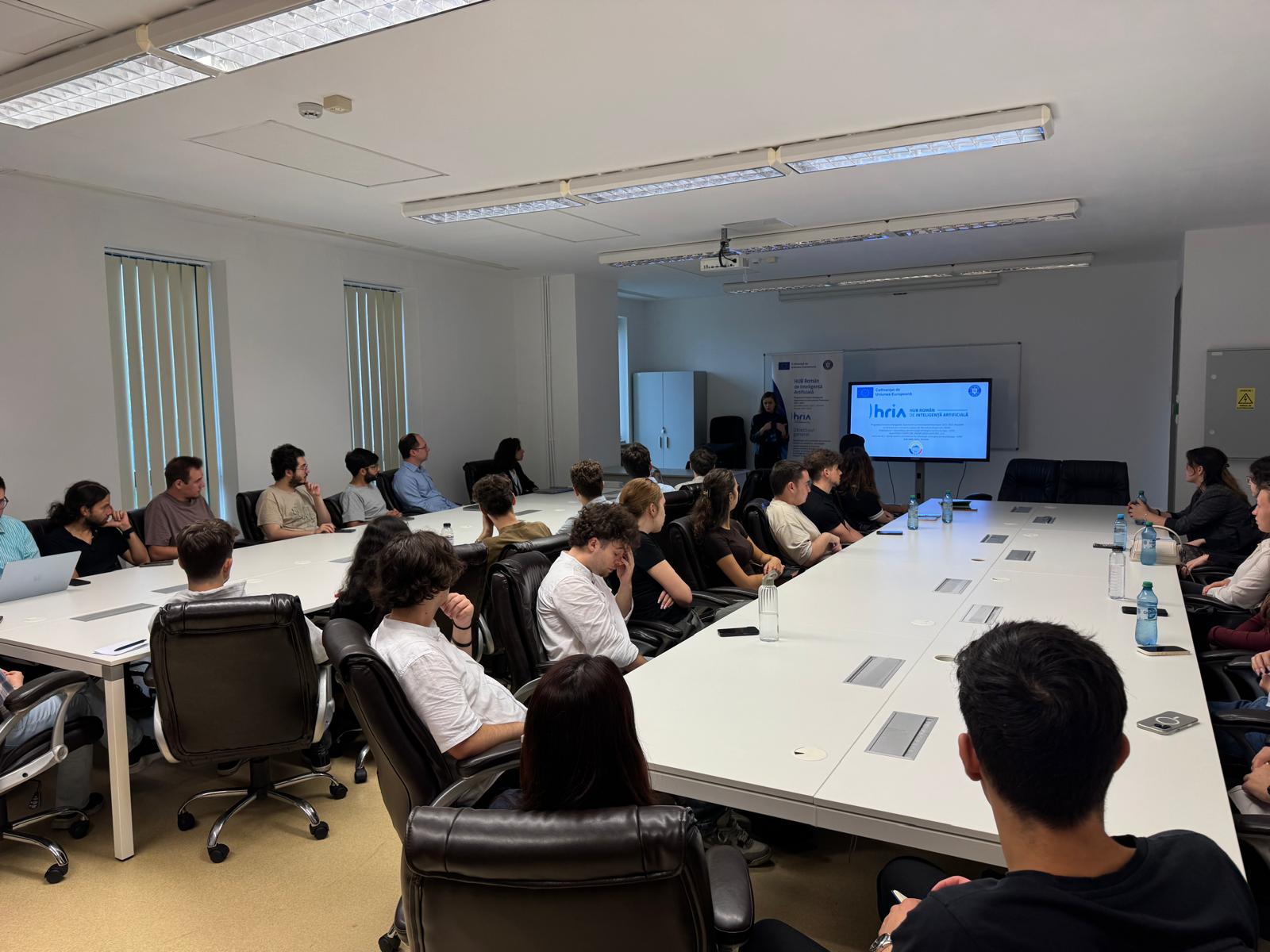
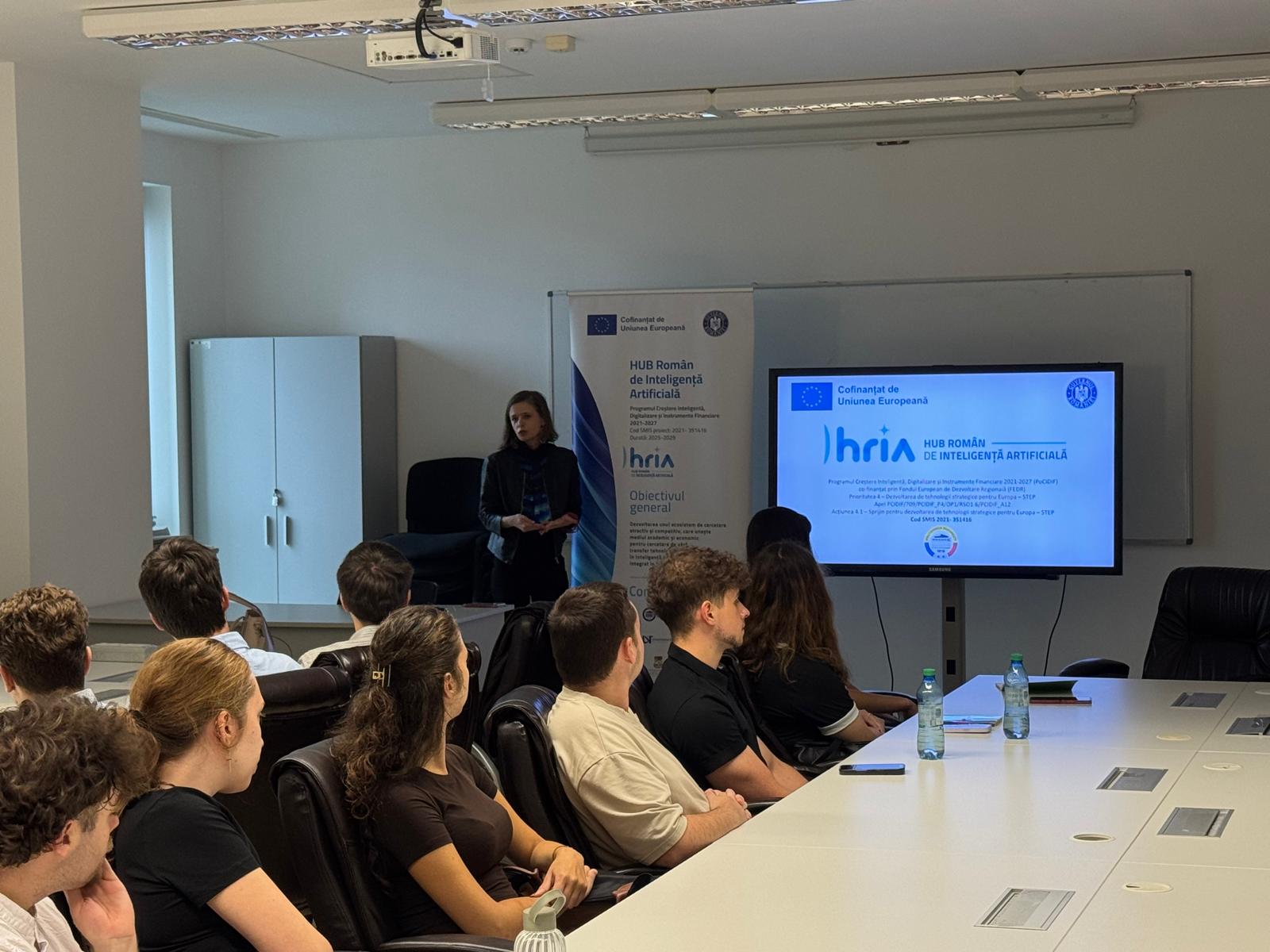
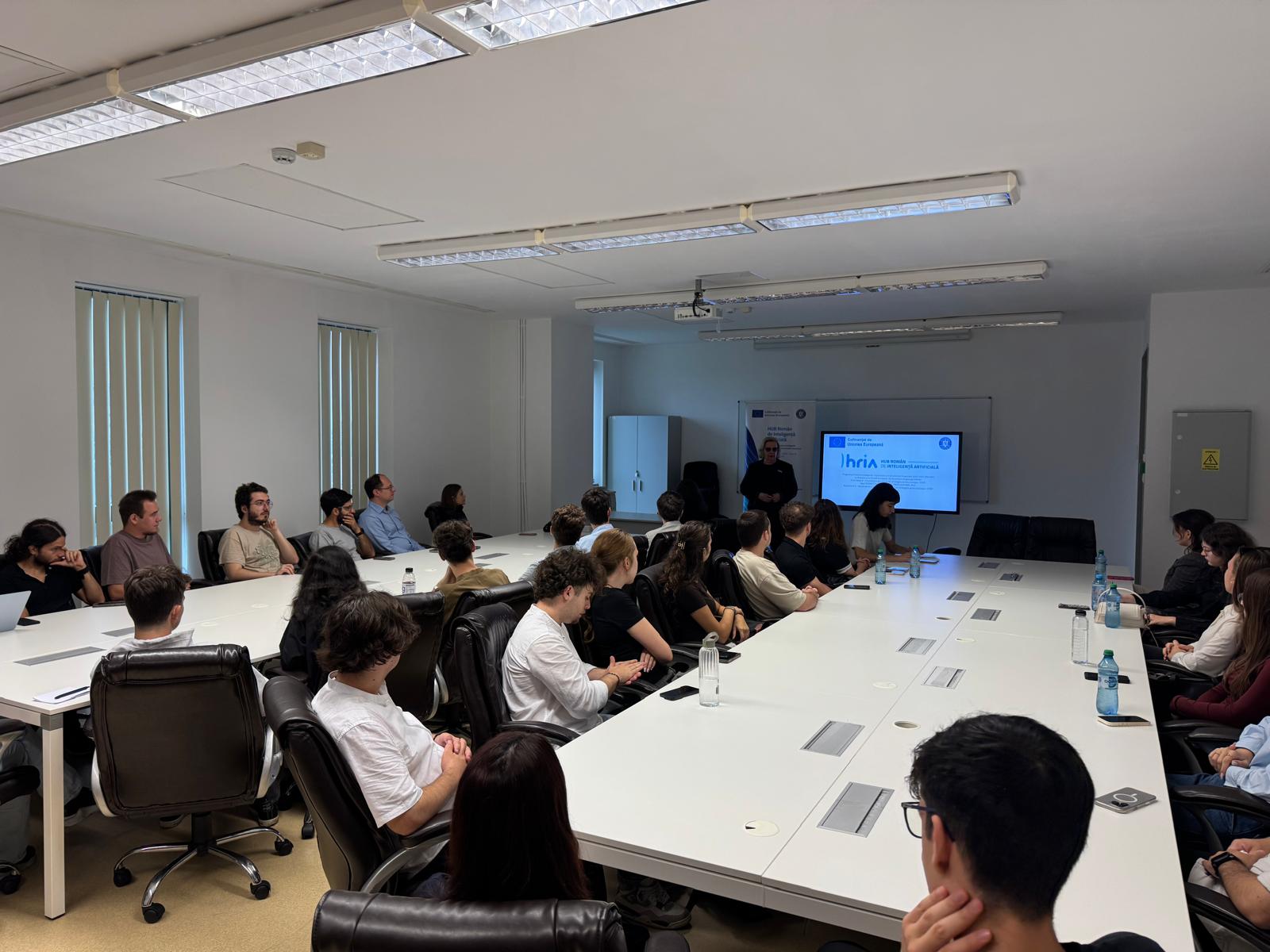
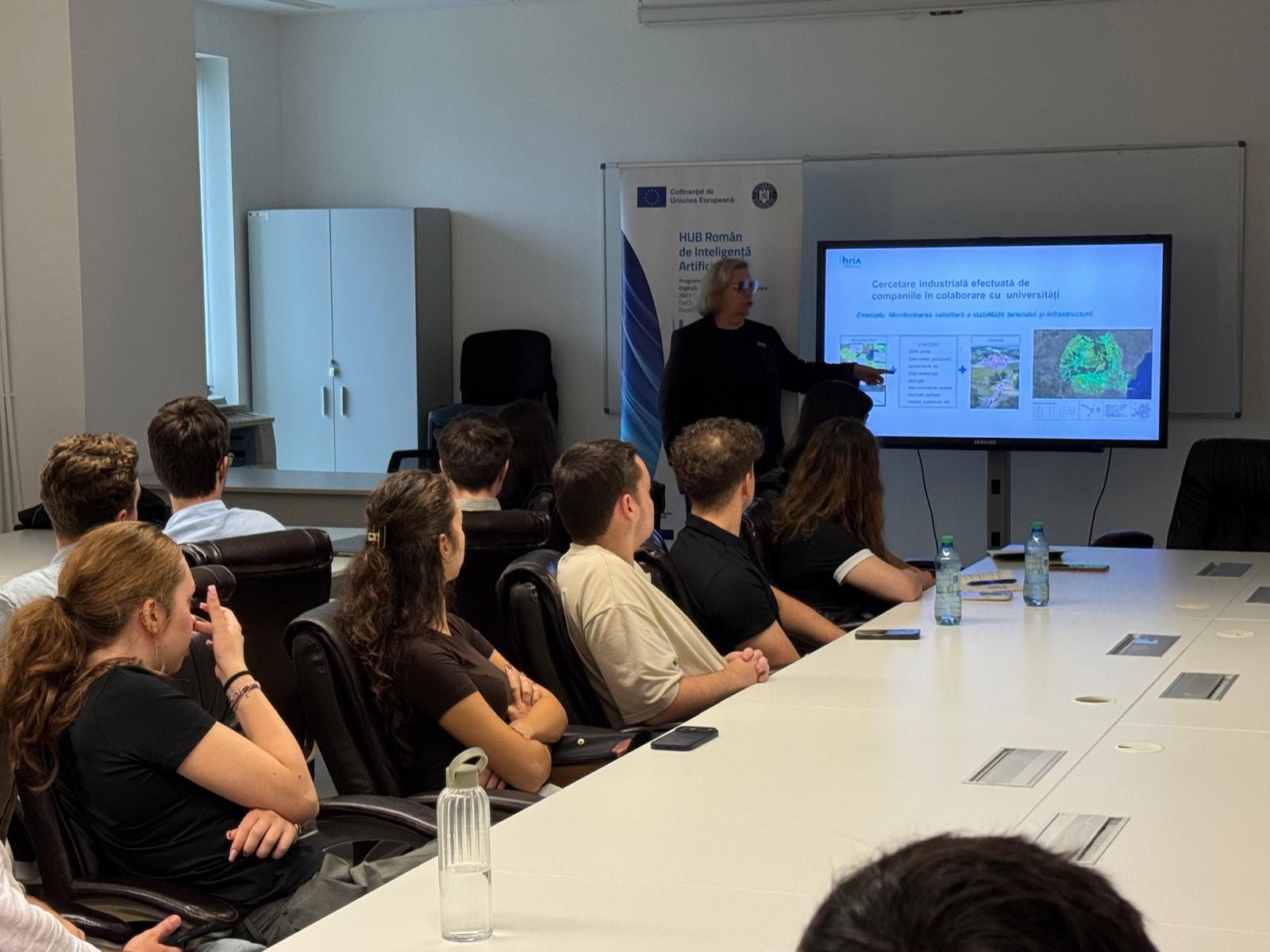
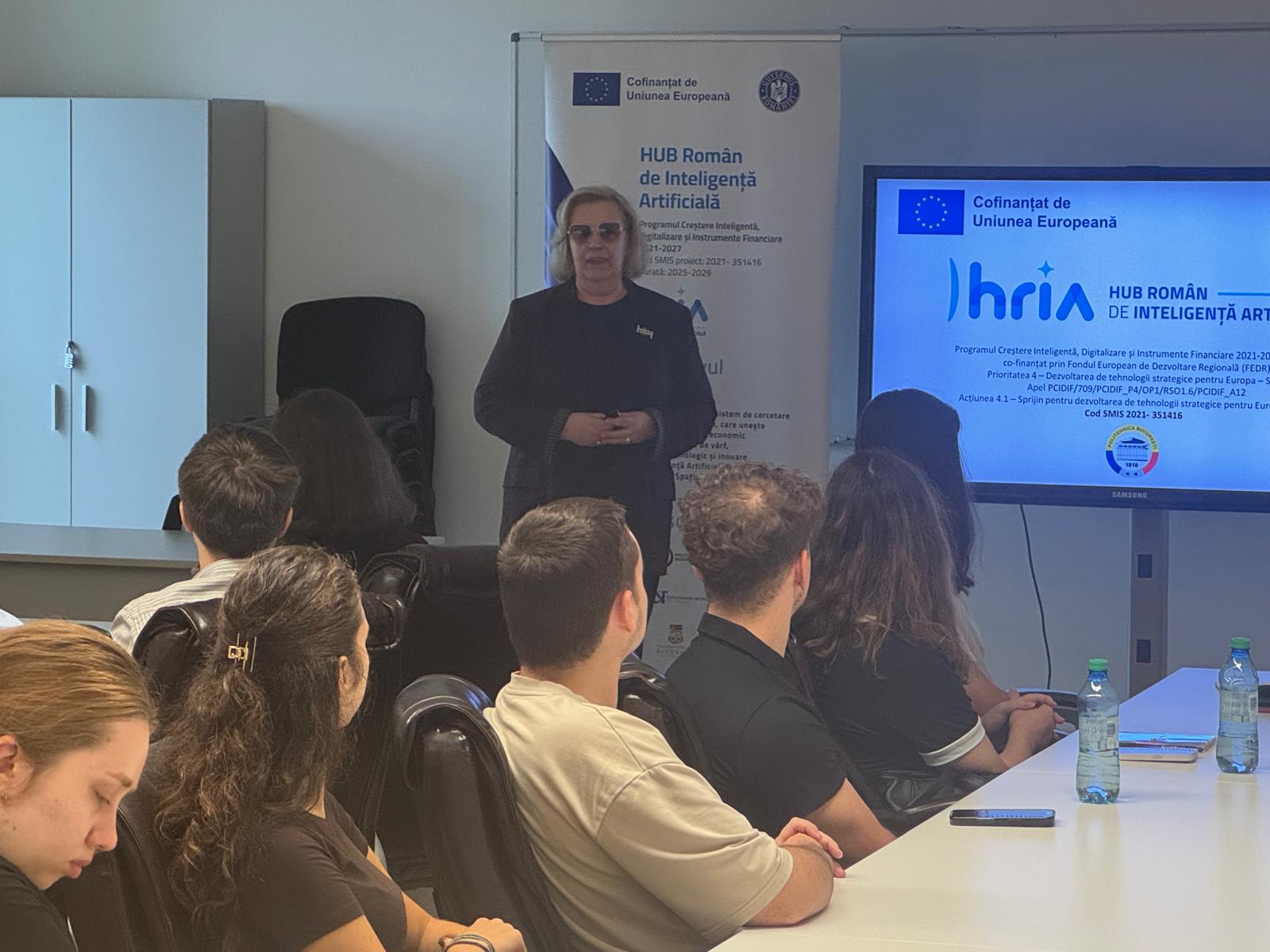
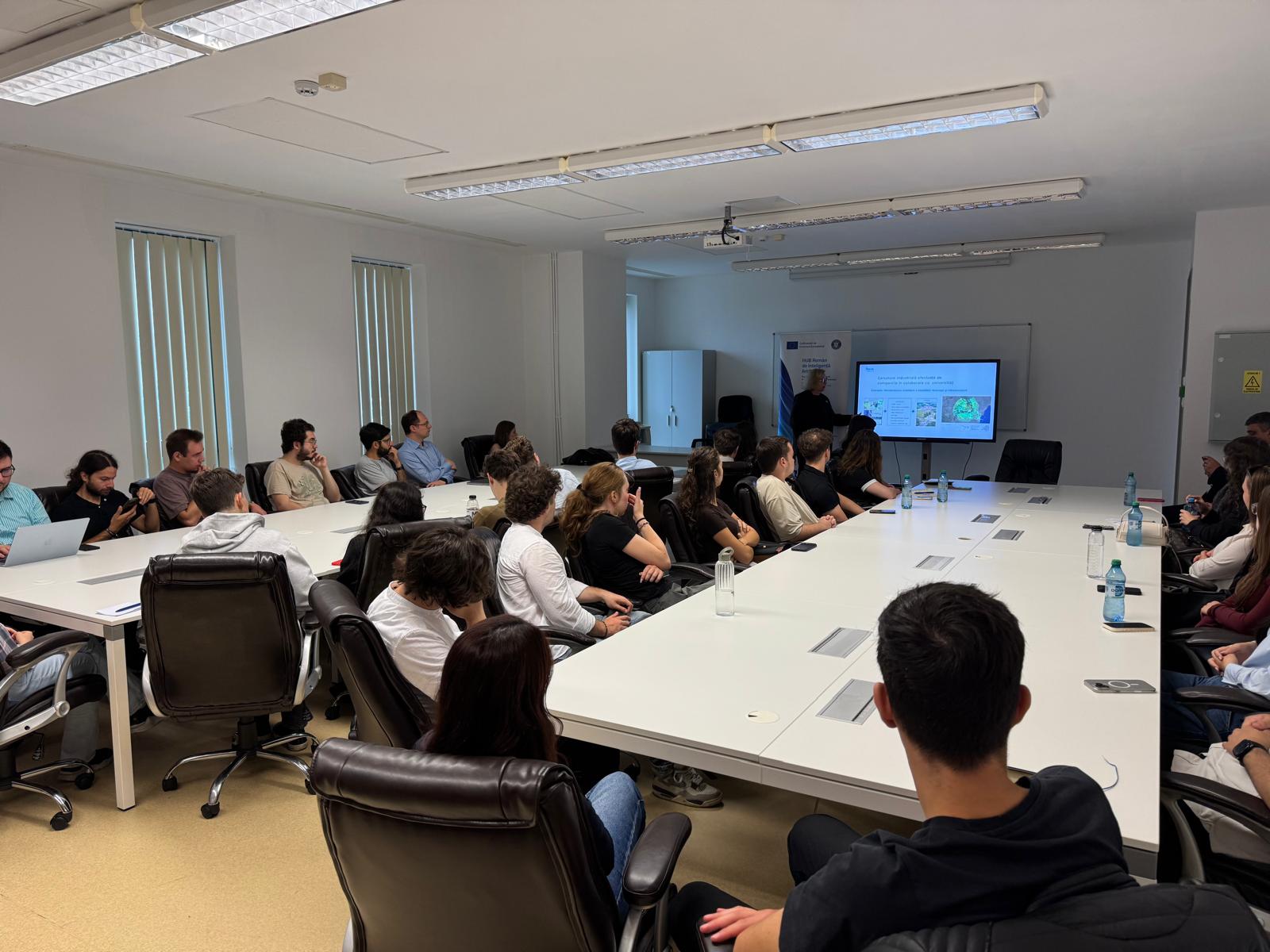
Prof. Dr. Eng. Adina Florea, HRIA Director, and Mr. Mihnea Moisescu, Dean of the Faculty of Automatic Control and Computers, presented the PRECIS Centre and HRIA’s activities, outlining their role in advancing research and innovation in emerging technologies. Their presentations offered interns a perspective on how the academic environment contributes to the development of technological solutions with societal impact.
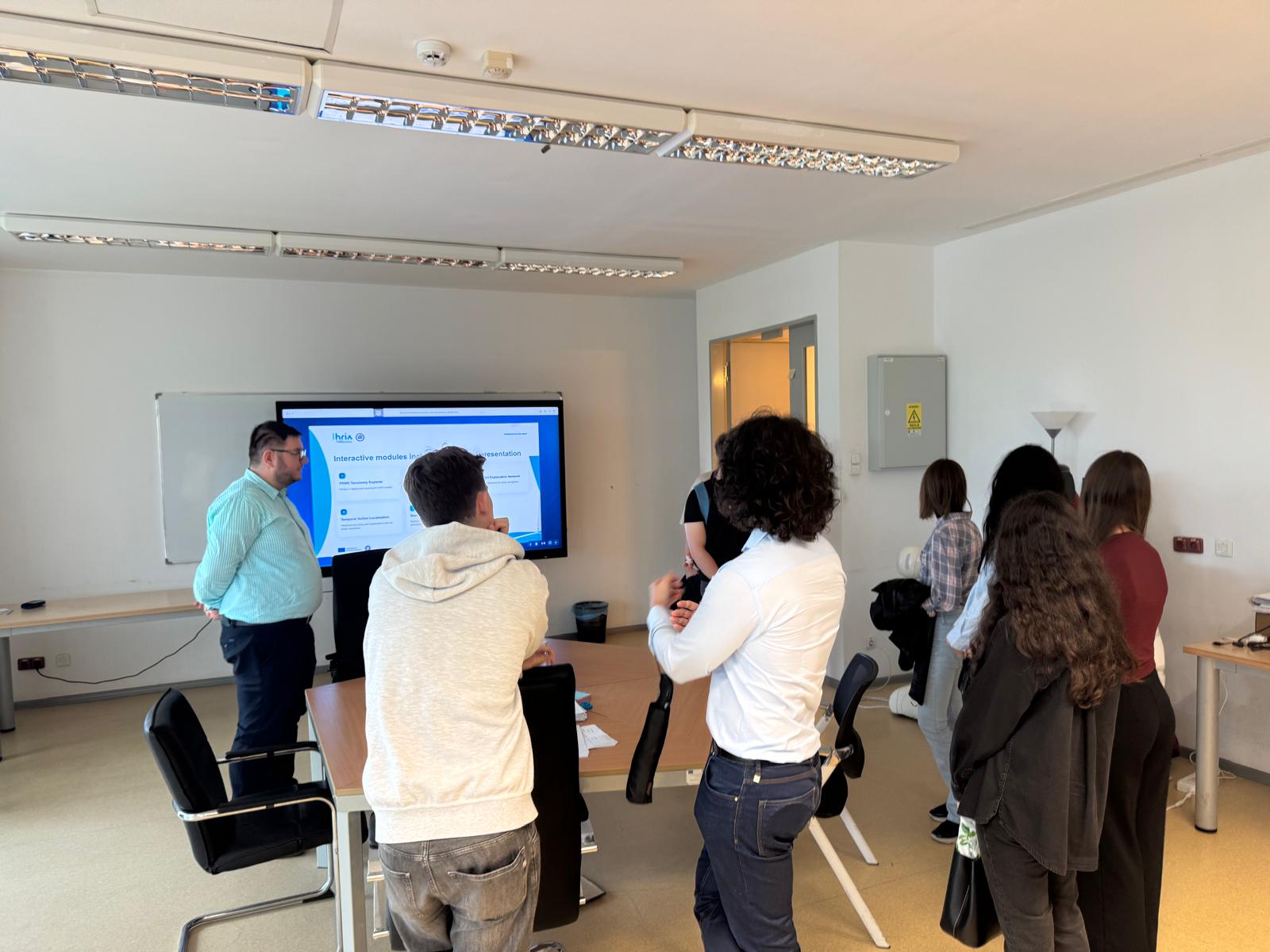
Throughout the visit, participants examined the projects developed within HRIA, ranging from artificial intelligence applications for healthcare and robotics to solutions focused on cybersecurity, intelligent mobility, environmental monitoring, and advanced data analysis. The programme also included an open dialogue session, during which interns raised questions regarding digital sovereignty, its relevance at the European level, and the prospects for developing AI Factories in Romania.
The experience provided participants with a deeper understanding of how public policies, European funding, and academic excellence can generate innovation, competitiveness, and technologies with tangible societal impact.
At the same time, the visit highlighted HRIA’s contribution to the broader European objective of strengthening digital sovereignty.